Our purpose is to study and celebrate the life and works of Sir Nigel Gresley in particular, and the works and achievements of the London & North Eastern Railway in general. As a charity we have a remit to educate, and this we do through a programme of meetings and talks, and by erecting memorials of various kinds at appropriate places.
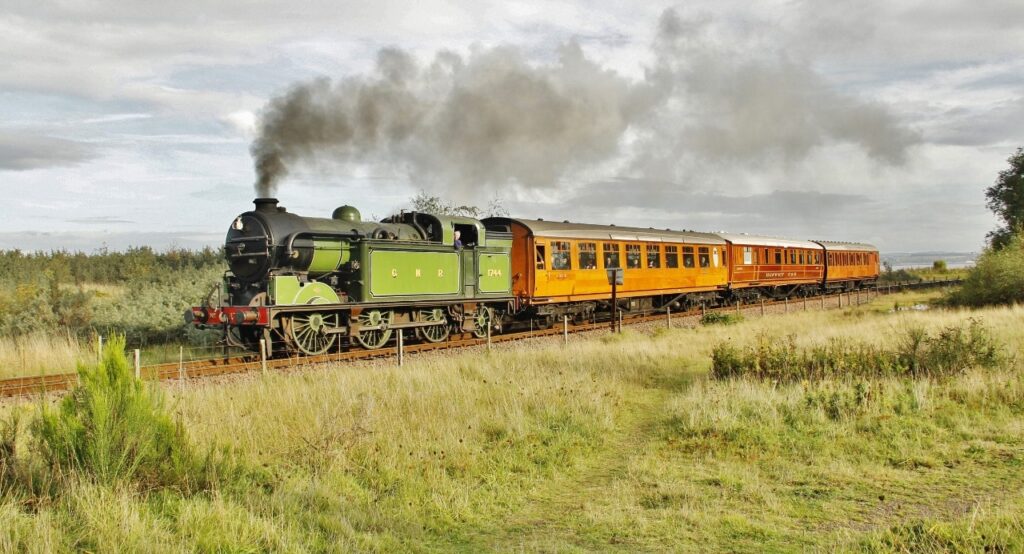
We own and operate the oldest extant Gresley locomotive in the world, Great Northern Railway class N2 No. 1744. It acts as a flag-bearer for the Society on many heritage railways.
We were first set up as an unincorporated society in 1963, but in 1998 we established a company limited by guarantee, number 3852084, and we obtained charitable status, as Registered Charity number 1081581. We currently have around 500 members.
We invite you to explore this website, and to join us if you can, to support our work.
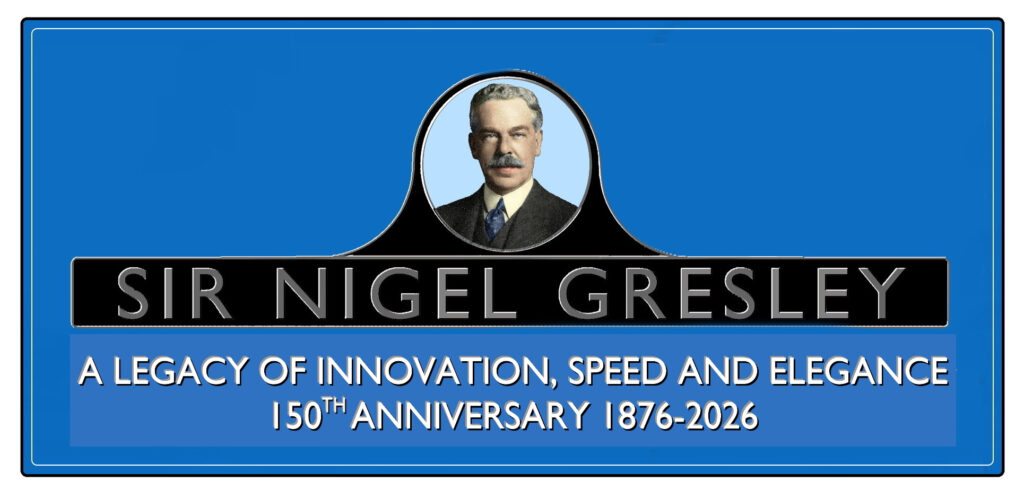
In 2026, under the strapline “A Legacy of Innovation, Speed and Elegance”, the Gresley Society is planning a year-long celebration marking the 150th anniversary of the birth of the legendary railway engineer on 19th June 1876. The Society, in collaboration with Doncaster City Council and other partner railway organisations, will host a series of events to commemorate his extraordinary impact that continues to endure.
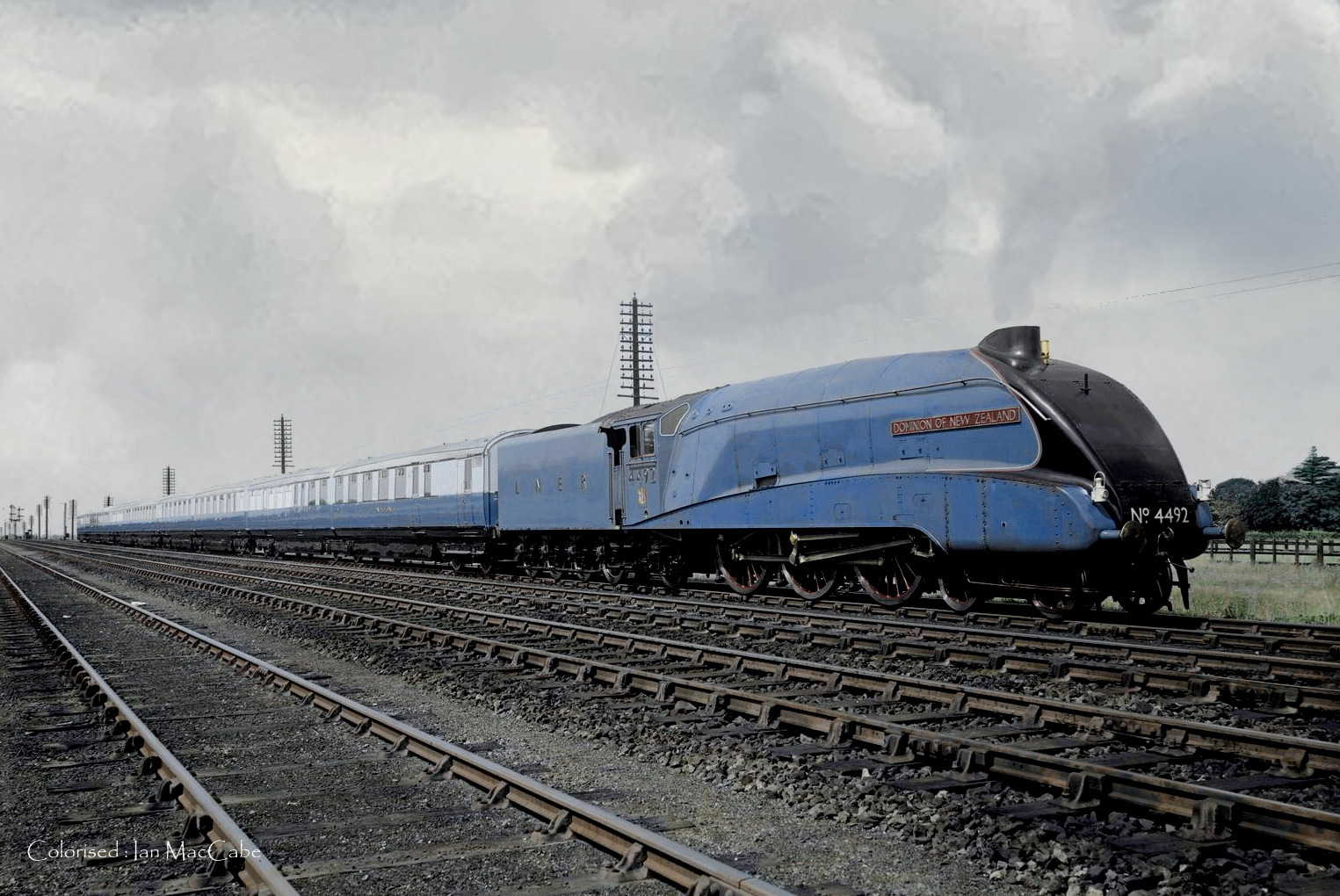
Help Keep the Centenarian Running
Become a member
Latest news
-
Image of the month: No. 2512 Silver Fox
No. 2512 Silver Fox on the up ‘Silver Jubilee’ passes southbound through Oakleigh Park Station. An early photograph as the Gresley class A4 still has the recessed drawbar.
-
60th Anniversary of the closure of Darlington Locomotive Works
Darlington Locomotive Works served the railways for more than 100 years before closing on this day 60 years ago – 1st April 1966.
-
Major Exhibition Celebrating Sir Nigel Gresley’s 150th Anniversary
Doncaster, UK – 27 March 2026: The Gresley Society is delighted to announce a major exhibition at the Danum Gallery, Library and Museum in Doncaster. Running from 4 April to 30 May 2026, “Sir Nigel Gresley: 150 Years of Innovation, Speed and Elegance” takes visitors through the life and achievements of Britain’s foremost steam locomotive engineer.
Meetings & Events
-
North Eastern Railway Association Sir Nigel Gresley day
17 October 2026 10:00am
The Bar Convent, Blossom Street, York
Celebrating the 150th Anniversary of his birth. Sir Vincent Raven: last days of the North Eastern Railway (Speaker from NERA). The LNER Coach Association (Speaker from the LNERCA). Sir Nigel Gresley: The effect on the North Eastern Area of the LNER (Speaker from The Gresley Society).
-
SRPS Winter talk
17 February 2026 5:30pm
Zoom
An update on ‘Morayshire’ with the rebuild team. Plus, Mark Allatt reveals plans for Sir Nigel Gresley’s 150th anniversary celebrations.
-
Ryedale Society of Model Engineers celebrates Gresley 150
25 July 2026 10:00am
The Club House Pottergate Gilling East North Yorkshire YO62 4JJ
The RSME’s Gresley 150 day will be on Saturday 25th July 2026 for Gresley designs and rebuilds.
-
The Gresley Society on tour
7 February 2026 10:00am
Doncaster Racecourse
The Society with have a presence at a number of events over the coming months. We are on stand 87 at York Model Railway Show over the Easter Weekend Saturday 4 to Monday 6 April 2026. The next event will be the Doncaster Festival of Railway Modelling at Doncaster Racecourse on 7th/8th February 2026 which…
-
Thanksgiving service
11 April 2026 12:00pm
St. Peter’s Church, Netherseal, Derbyshire, and nearby village hall
The Gresley Society is holding a special Thanksgiving Service and Talk on Saturday, 11 April 2026, at St. Peter’s Church, Netherseal, Derbyshire, to mark the 150th anniversary of the birth of the legendary railway engineer.
-
Gresley 150th anniversay symposium and dinner
20 June 2026 10:00am
The Mansion House, Doncaster
We are delighted to invite you to a special symposium and gala dinner to celebrate the 150th anniversary of Sir Nigel Gresley’s birth, honouring his remarkable life, achievements, and enduring legacy. This milestone event promises to be a memorable occasion for the Gresley Society and its members.
-
AGM 2025
29 November 2025 1:30pm
The Danum Gallery, Library and Art Museum Waterdale, Doncaster, DN1 3BZ
The Annual General Meeting will commence at 13:30hrs and afterwards there will be a talk entitled ‘The Journey Matters’ – Dundee to King’s Cross, via Edinburgh on ‘The Coronation’ – by renowned author and broadcaster Jonathan Glancey illustrated with a presentation by Ian MacCabe.
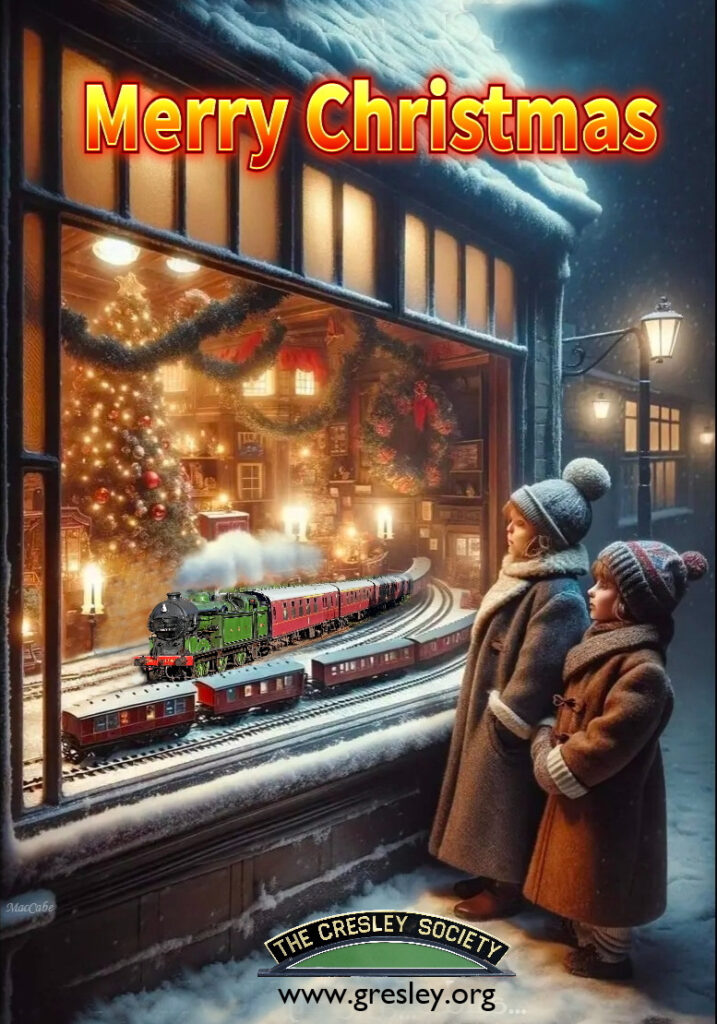
Special Offer: Pack of 12 Cards
You can purchase here on the website, or by completing and posting our 2025 Christmas Card Order Form.
Merry Christmas!
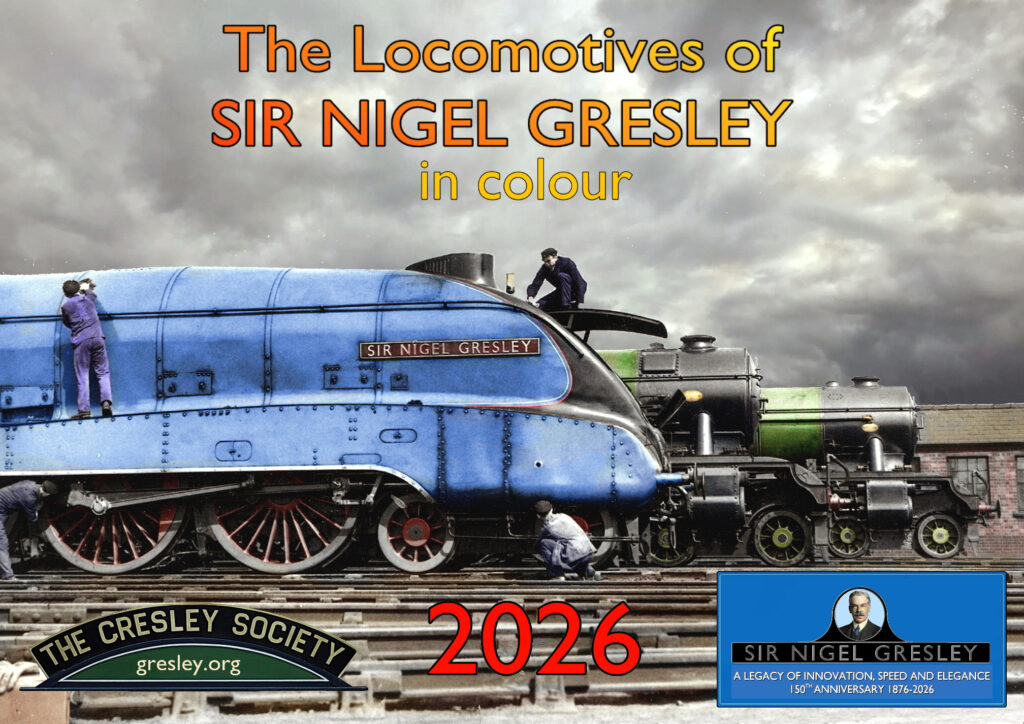
2026 Calendar
Our 2026 calendar, “The Locomotives of Sir Nigel Gresley, in colour”